
Diabetes is often discussed as a condition involving blood sugar, but its effects can extend far beyond glucose levels.
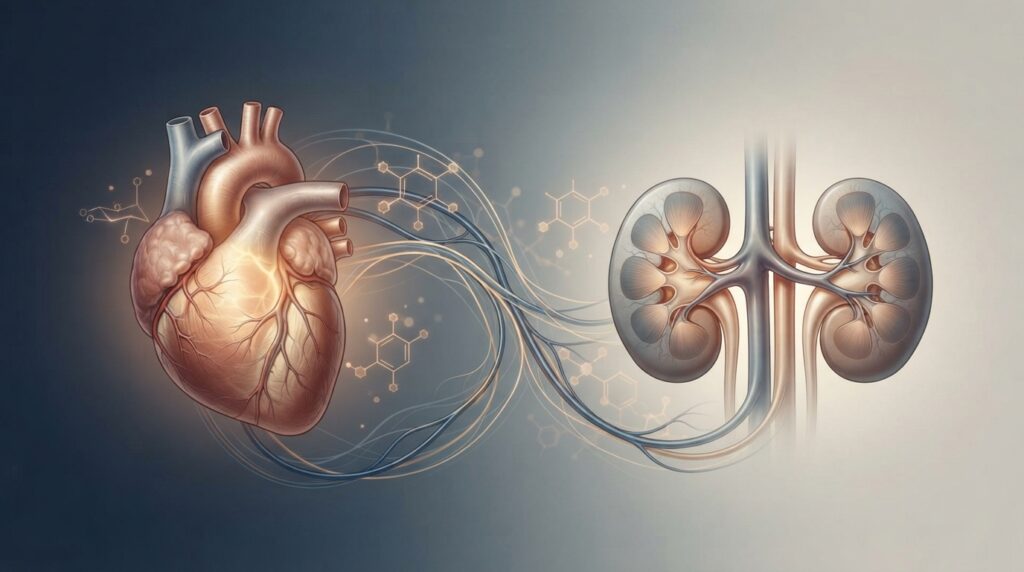
Over time, diabetes can affect the blood vessels, heart and kidneys. These systems are closely connected, meaning that problems in one area can increase the risk of problems in another.
Understanding this relationship is an important part of comprehensive adult medical care.
Diabetes and the Body
Diabetes occurs when blood glucose levels remain too high because the body does not produce enough insulin, does not use insulin effectively, or both.
Persistently elevated blood glucose can gradually damage blood vessels and other tissues. The effects may develop slowly, which means that a person may not notice problems until complications have already developed.
Diabetes is associated with an increased risk of cardiovascular disease and kidney disease. It can also occur alongside other important risk factors, including high blood pressure and abnormal cholesterol levels.
This is why diabetes management should extend beyond monitoring blood sugar alone.
Diabetes and Heart Disease
People living with diabetes have a higher risk of developing cardiovascular disease.
Persistently high blood glucose can contribute to damage within blood vessels. Diabetes is also frequently associated with high blood pressure and abnormal levels of blood fats, which can further increase cardiovascular risk.
Over time, these factors can contribute to the development of atherosclerosis, in which plaque builds up within the arteries.
Diabetes is also associated with an increased risk of heart failure.
For this reason, cardiovascular health is an important part of long-term diabetes care.
Managing blood glucose, blood pressure and cholesterol, together with other appropriate lifestyle and medical measures, can help address several cardiovascular risk factors at the same time.
Diabetes and Kidney Health
The kidneys play an essential role in filtering waste and excess fluid from the blood.
Over time, high blood glucose can damage the small blood vessels and filtering structures within the kidneys. This can lead to diabetic kidney disease, a form of chronic kidney disease associated with diabetes.
Kidney disease often develops gradually and may have few or no noticeable symptoms in its early stages. This makes regular assessment particularly important for people living with diabetes.
Kidney health can be assessed through blood and urine testing. Depending on the individual situation, clinicians may assess kidney filtration and look for abnormal levels of albumin in the urine.
Identifying kidney disease early provides an opportunity to manage risk factors and slow its progression.
Where the Heart and Kidneys Meet
The relationship between heart disease and kidney disease is also important.
When kidney function declines, the risk of cardiovascular disease increases. Kidney disease can be associated with changes in blood pressure and other processes that place additional stress on the cardiovascular system.
At the same time, conditions that affect the heart and blood vessels can also affect kidney health.
Diabetes and high blood pressure are important shared risk factors for both kidney disease and cardiovascular disease.
This creates a cycle in which problems affecting one system can contribute to problems in another.
Why Looking at the Whole Patient Matters
This connection illustrates an important principle of internal medicine: medical conditions should not always be viewed as completely separate problems.
A patient with diabetes may also have hypertension, abnormal cholesterol, early kidney disease or cardiovascular risk. Another patient may already have established kidney or heart disease alongside diabetes.
Each patient’s circumstances are different.
A broader clinical assessment can help identify these relationships and ensure that important risk factors are not considered in isolation.
This is particularly relevant when several chronic conditions are present at the same time.
Protecting Heart and Kidney Health
There is no single approach that applies to every person with diabetes. Medical care should be based on an individual’s health status, existing conditions, medications and risk factors.
However, several areas are commonly important in protecting long-term cardiovascular and kidney health.
Monitor Blood Glucose
Keeping blood glucose within an appropriate target range is an important part of reducing the risk of diabetes-related complications. The appropriate target varies between individuals and should be discussed with a healthcare professional.
Manage Blood Pressure
High blood pressure can increase the risk of both cardiovascular and kidney disease. Monitoring and managing blood pressure is therefore an important part of comprehensive care.
Monitor Cholesterol
Cholesterol and other blood fats can contribute to cardiovascular risk. Appropriate assessment and treatment can form part of an individual’s overall risk-management plan.
Check Kidney Function
Because early kidney disease may not cause obvious symptoms, people with diabetes may need regular kidney assessment.
Blood and urine tests can help identify changes in kidney function or signs of kidney damage.
Maintain Healthy Habits
Regular physical activity, a balanced diet, maintaining a healthy weight where appropriate, avoiding tobacco and following prescribed treatment can all contribute to cardiovascular and metabolic health. Individual recommendations should be discussed with a healthcare professional.
A Connected Approach to Adult Health
Diabetes, heart disease and kidney disease demonstrate how closely different systems of the body can be connected.
Managing diabetes is therefore not simply about blood glucose. It also involves paying attention to cardiovascular health, kidney function, blood pressure, cholesterol and other factors that can influence long-term health.
For people living with multiple medical conditions, this broader perspective can be particularly important.
Internal medicine takes this interconnected view of adult health into consideration, looking beyond a single diagnosis to understand the wider clinical picture.
Final Thoughts
The relationship between diabetes, heart disease and kidney health highlights why comprehensive medical care matters.
Early identification of risk factors, appropriate monitoring and individualized management can help address complications before they become more advanced.
If you have diabetes or are concerned about your cardiovascular or kidney health, speak with a qualified healthcare professional about the appropriate assessments and care for your individual circumstances.